
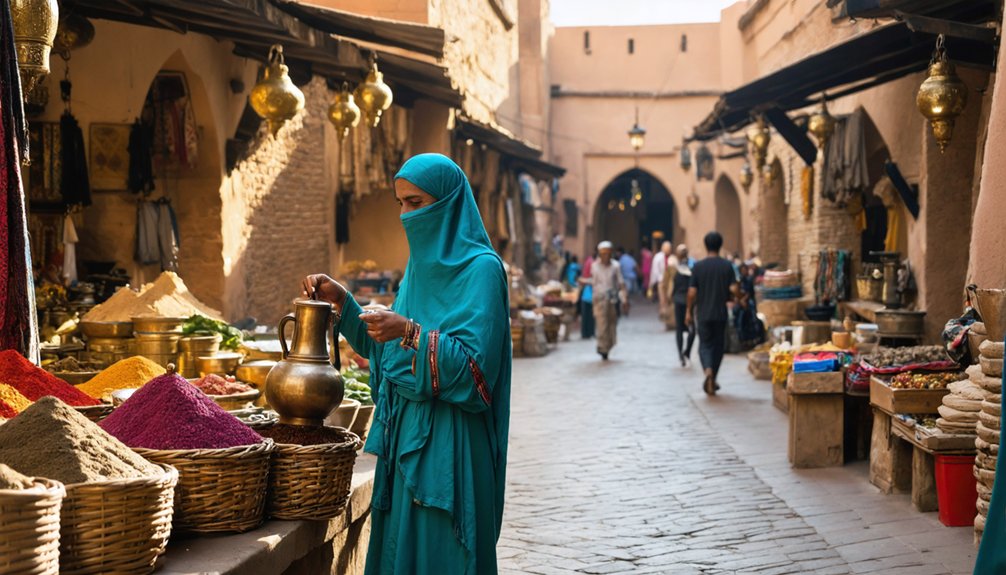

Authentic cultural experiences thrive where travelers join everyday life rather than staged attractions. In East Asia, Kyoto’s Fushimi Inari and Tokyo’s Meiji Shrine blend historic rituals with modern transit and tech‑infused workshops. Southeast Asia offers temple‑centred rites—Candi Sewu, Wat Phra Kaew—and seasonal festivals that reveal incense etiquette and communal meals. Africa’s tribal festivals, from Mali’s Bogo Ja to Maasai Olympics, preserve oral traditions and youth customs. Mediterranean and Middle Eastern sites such as Ephesus, Mount Sinai, and Jerusalem intertwine pilgrimage, ancient cuisine, and sacred architecture. South Asia’s Braj vegetarian feasts and Tirupati laddus spotlight devotional gastronomy. Emerging European capitals like Oulu, Trenčín, and Grenoble fuse historic venues with contemporary arts. Exploring these locales uncovers deeper immersion and community connection.
Key Takeaways
- Kyoto, Japan – explores Fushimi Inari and kimono‑making workshops, blending historic shrines with local artisan life.
- Bangkok, Thailand – explore street‑food stalls and temple rituals near the Grand Palace, offering everyday Thai cultural immersion.
- Luang Prabang, Laos – participate in alms‑giving ceremonies and weaving workshops alongside eco‑resorts, preserving traditional Lao customs.
- Mali’s Bogo Ja and Nigeria’s Ojude Oba – experience drumming, royal homage, and river rites that showcase West African tribal heritage.
- Oulu, Finland – attend the Climate Clock village festival, where Arctic heritage, contemporary art, and community storytelling intersect.
What Makes a Destination “Authentic” for Culture‑Seekers?
In the quest for genuine cultural immersion, an authentic destination is defined by the depth of a traveler’s participation in the everyday life of the host community, rather than mere observation of staged attractions. Authenticity emerges when visitors engage in local festivals, sharing rituals, music, and food in a manner that respects communal rhythm. Participation in artisan workshops offers hands‑on learning, allowing travelers to co‑create items using traditional techniques while contributing modestly to local economies. Such interactions foster reciprocal exchange, where the guest’s presence supports cultural preservation rather than exploitation. Community‑run homestays, small‑group tours, and public‑transport mobility reinforce this ethic, ensuring that the traveler experiences a coherent sense of place, built environment, and shared heritage. 73% of travelers want their spending to benefit local communities. Intentionality is essential, requiring visitors to research community social norms and basic etiquette before arrival. The local custodianship of tradition often determines whether a practice is genuinely rooted or merely staged for tourists.
East Asian Hubs Where Tradition Meets Modern Life
Travelers seeking authentic cultural immersion now turn to East Asian hubs where centuries‑old customs coexist with cutting‑edge infrastructure.
In Kyoto, Fushimi Inari Shrine offers Temple tech navigation that guides pilgrims through torii corridors, while kimono‑making Urban artisans flourish beside sleek rail links. Tokyo’s Meiji Shrine stands amid neon towers, and Senso‑ji’s 7th‑century pagoda is framed by bullet‑train stations and robotics exhibits, creating a seamless blend of reverence and innovation.
Bangkok’s Grand Palace and Wat Arun showcase intricate Buddhist art adjacent to elevated trainways, and Yaowarat’s street‑food stalls thrive among luxury high‑rises.
Luang Prabang preserves alms‑giving rituals along the Mekong while eco‑resorts and hydropower projects support local weaving Urban.
Emerging Chinese cities attract Gen Z and Millennials with Great Wall hikes linked to high‑speed rail and panda‑base festivals that marry ancient pathways with modern tech. Chongqing, noted for its labyrinthine, multi‑layered layout, offers a unique urban experience that blends ancient history with modern infrastructure. Buddhist temples in Bangkok are among the most visited sites in Thailand. The Great Wall of China stands as a symbol of strength and endurance.
Southeast Asian Temple‑Centred Journeys That Reveal Ancient Rituals
Amid the bustling streets of Southeast Asian cities, ancient temple complexes continue to anchor daily life, offering travelers a direct window into rituals that have endured for centuries. Visitors who respect incense etiquette—holding the stick in the left hand and lighting it before the altar—gain quiet acceptance.
Daily ceremonies blend bowing, prostration, and ancestor offerings of cooked chicken, fruit, rice cakes, and incense, linking present devotion to lineage guardians. Seasonal festivals such as Obon, Songkran, and Qingming amplify these practices, inviting outsiders to join communal prayers and candle lighting.
Temple architecture, from Indonesia’s Candi Sewu to Thailand’s Wat Phra Kaew, reflects cosmic order, while village priests and shamans guide participants through rites that sustain social harmony and personal belonging. Photographing inside temples without permission is considered disrespectful.
In Vietnam, family gravesites are common, with most households maintaining and cleaning them regularly. The exhibition highlighted 250 works that illustrate the deep connection between ancestor veneration and everyday life.
African Tribal Experiences That Preserve Millennial Customs
Across West, East, Central and Southern Africa, tribal festivals function as living archives that safeguard customs spanning millennia, each event weaving music, ritual, and communal participation into a resilient cultural fabric.
In West Africa, Mali’s Bogo Ja and Nigeria’s Ojude Oba celebrate identity through drumming and royal homage, while Osun Osogbo centers river rites on Yoruba spirituality.
East Africa’s Maasai Ceremonialism shines in the Maasai Olympics, where athletic contests replace lion hunts and reinforce herd cohesion.
Gabon’s Bwiti Initiation offers year‑round spiritual immersion, linking symbolism and collective memory.
Central Africa’s Ngondo and Chad’s Gerewol display river communion and courtship rites.
Southern Africa’s Umhlanga Reed Dance and Namibia’s Omagongo Festival sustain youth, monarchy, and harvest traditions, inviting participants into shared belonging. The Moussem of Moulay Idris II in Morocco draws pilgrims to honor the founder of the country’s first Islamic state.
Mediterranean & Middle Eastern Sites Steeped in Historic Faith
Where does one find the most enduring testimonies of ancient faith? The Mediterranean and Middle East host sites where history and belief intertwine, offering seekers a sense of belonging within timeless narratives.
An Ephesus Pilgrimage reveals ruins once home to Apostle Paul, the Library of Celsus’s menorah carving, and the Basilica of St. John, anchoring early Christian spread. Mount Sinai’s St. Catherine’s Monastery safeguards fourth‑century manuscripts, while the Chapel of the Burning Bush dramatizes Moses’ encounter.
Thessaloniki’s Byzantine churches display mosaics that narrate biblical triumphs. In Jerusalem, the Mount of Beatitudes and Mount Zion echo Christ’s teachings, and the Qumran Caves preserve the DeadSea Scrolls, the oldest Torah records.
Malta’s cliffside cathedrals and Paul’s shipwreck site complete a pilgrimage circuit that unites diverse cultures through shared sacred heritage.
South Asian Spiritual & Culinary Hotspots for Immersive Tasting
Nestled in the vibrant tapestry of South Asia, the Braj region of India exemplifies how devotional practice shapes culinary identity, offering visitors a palate of strictly vegetarian dishes—such as the 56‑item Chappan Bhog—prepared as sacred offerings to Krishna. Braj Prasadam, served in Mathura and Vrindavan, reflects seasonal produce, ritual precision, and communal reverence, creating a sense of belonging for pilgrims and food seekers alike.
Beyond Braj, Temple Laddus from Tirupati and Modaks from Ganesh shrines illustrate how Mahaaprasaada transcends sustenance, becoming a shared spiritual currency. Across the subcontinent, pilgrimage gastronomy fuels a $207 billion market, sustains local economies, and preserves ancient recipes, inviting immersive tasting that intertwines faith, flavor, and fellowship.
Emerging European Capitals Offering Fresh, Community‑Driven Culture
In 2026, Oulu, Finland; Trenčín, Slovakia; Grenoble Alpes Métropole, France; and Aalborg, Denmark converge as emerging European capitals that champion fresh, community‑driven culture.
Oulu’s Climate Clock village transforms the city centre into a multi‑disciplinary festival, weaving Arctic heritage with contemporary art and regional storytelling.
Trenčín’s Curiosity theme bridges historic castle spaces and modern riverfront stages, hosting community festivals that celebrate Slovak music, theatre, and cross‑border narratives.
Grenoble Alpes Métropole blends Alpine traditions with tech‑focused design, inviting visitors to engage in participatory workshops and mountain‑inspired storytelling sessions.
Aalborg’s waterfront innovation hub curates inclusive festivals that spotlight Scandinavian design, sustainable food, and local folklore, fostering a sense of belonging through shared cultural experiences.
How to Choose the Right Authentic Experience for Your Travel Style?
What determines the perfect authentic experience for a traveler is the alignment of personal priorities with the cultural fabric of a destination. Travelers who value local etiquette and high participation levels should first rank priorities: 90 % seek local‑life immersion, 70 % prioritize food, and 62 % deem a trip wasted without cultural depth.
Matching style to activity type—neighborhood tours (25 % of bookings), cooking classes, or street‑art walks—ensures relevance. Millennials, the most authenticity‑concerned group, avoid tourist traps and favor unique, low‑crowd experiences, typically three hours daily.
Safety, navigability, and cost follow cultural customs in importance, yet 93 % will sacrifice other trip aspects rather than dilute participation. Selecting experiences that respect local etiquette while offering varied participation levels creates a sense of belonging and genuine connection.
References
- https://travellingdane.org/2025/01/12/travel-2025-2/
- https://www.tripadvisor.com/TravelersChoice-Destinations-cCulture-g1
- https://www.wayfairertravel.com/inspiration/the-best-cultural-destinations-around-the-world
- https://backroadplanet.com/9-culturally-rich-destinations-around-the-world-filled-with-wonder/
- https://www.audleytravel.com/us/inspiration/cultural-vacations
- https://rootedstorytelling.com/storytelling/authenticity-authentic-travel/
- https://lifestyle.sustainability-directory.com/term/authentic-cultural-experiences/
- https://www.responsiblevacation.com/copy/authentic-travel
- https://sohosandiego.org/reflections/2003-4/authenticity.htm
- https://ecotourism-world.com/authentic-cultural-experiences-with-community-based-tourism/